


Nitrile gloves have become the preferred hand protection solution across various industries, from healthcare and pharmaceuticals to electronics manufacturing, food processing, and cleanroom environments. Their exceptional durability, chemical resistance, and comfort make them a superior alternative to traditional latex and vinyl gloves.
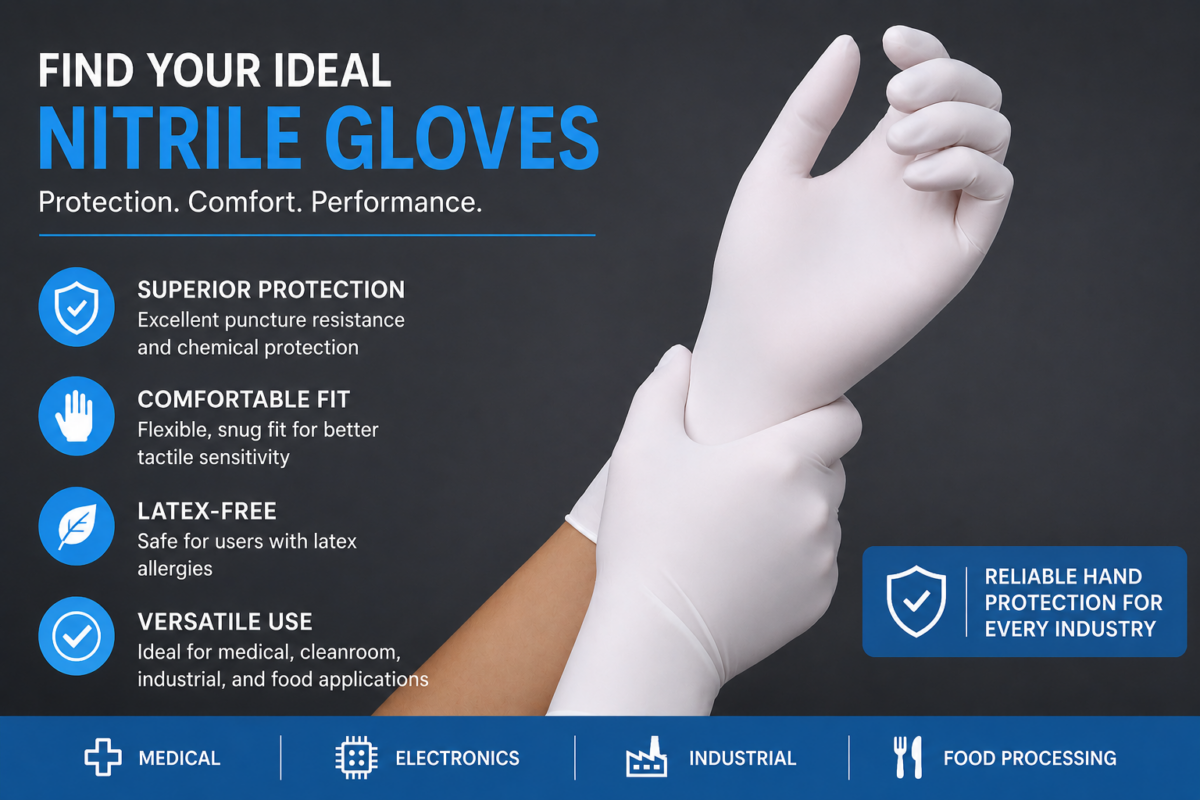
However, with countless options available on the market, choosing the ideal nitrile gloves for your specific application can be challenging. Factors such as thickness, powder content, cleanroom compatibility, chemical resistance, and electrostatic discharge (ESD) protection all play critical roles in selecting the right product.
This comprehensive guide will help you understand everything you need to know about nitrile gloves and how to choose the best pair for your workplace.
What Are Nitrile Gloves?
Nitrile gloves are disposable or reusable protective gloves made from synthetic rubber known as nitrile butadiene rubber (NBR). Unlike natural latex gloves, nitrile gloves do not contain natural rubber proteins, making them an excellent choice for users with latex allergies.
Due to their superior puncture resistance and chemical protection, nitrile gloves are widely used in industries where worker safety, product quality, and contamination control are essential.
Key Benefits of Nitrile Gloves
- Excellent puncture resistance
- Strong chemical resistance
- Latex-free material
- Comfortable fit and flexibility
- Superior tactile sensitivity
- Suitable for prolonged use
- Available in cleanroom-compatible versions
These advantages make nitrile gloves one of the most versatile hand protection solutions available today.
Why Nitrile Gloves Are Better Than Latex and Vinyl Gloves
Nitrile vs Latex Gloves
While latex gloves offer excellent elasticity, they may cause allergic reactions in sensitive users. Nitrile gloves provide similar comfort without the risk of latex allergies.
Advantages of nitrile gloves include:
- Allergy-free protection
- Better chemical resistance
- Higher puncture resistance
- Longer service life
Nitrile vs Vinyl Gloves
Vinyl gloves are often chosen for low-risk applications due to their lower cost. However, they provide less durability and weaker protection compared to nitrile gloves.
Nitrile gloves offer:
- Better fit
- Improved durability
- Enhanced chemical protection
- Greater resistance to tearing
For environments requiring high safety standards, nitrile gloves are typically the preferred choice.
Different Types of Nitrile Gloves
Understanding the available types of nitrile gloves helps ensure you select the most suitable product.
1. Powder-Free Nitrile Gloves
Powder-free nitrile gloves eliminate the contamination risks associated with powdered gloves. They are commonly used in:
- Electronics assembly
- Food processing plants
- Cleanroom environments
- Medical facilities
- Pharmaceutical manufacturing
Their clean surface minimizes particle generation and supports contamination control programs.
2. Industrial Nitrile Gloves
Industrial nitrile gloves are designed for heavy-duty applications requiring enhanced durability and chemical resistance.
Common industries include:
- Automotive manufacturing
- Chemical processing
- Maintenance operations
- Oil and gas facilities
- Laboratory environments
These gloves are often thicker than standard examination gloves and provide improved protection against mechanical hazards.
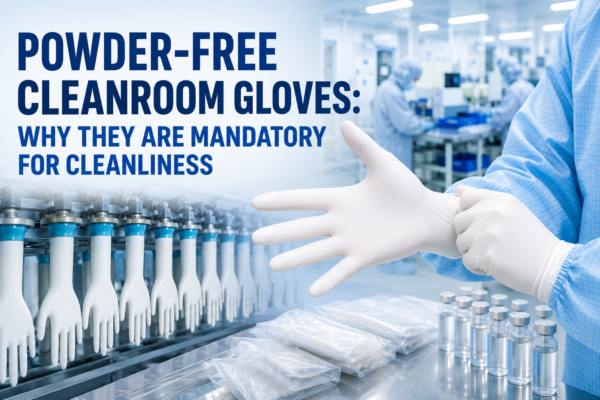
3. Cleanroom Nitrile Gloves
Cleanroom nitrile gloves are specially manufactured and packaged to meet stringent cleanliness standards.
They are widely used in:
- Semiconductor manufacturing
- Electronics production
- Pharmaceutical cleanrooms
- Biotechnology facilities
- Medical device manufacturing
Many cleanroom gloves are processed to minimize particles, ions, and extractable contaminants.
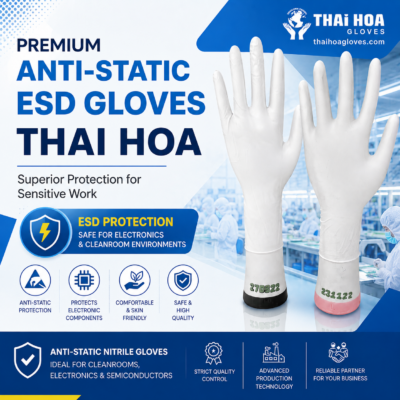
4. ESD Nitrile Gloves
Electrostatic discharge can damage sensitive electronic components and negatively impact manufacturing yields.
ESD nitrile gloves help:
- Dissipate static charges
- Protect sensitive electronics
- Improve product quality
- Reduce production losses
These gloves are commonly used in electronics and semiconductor industries where static control is critical.
How to Choose the Ideal Nitrile Gloves
Selecting the right nitrile gloves requires evaluating several important factors.
Consider Your Industry Requirements
Different industries have unique glove requirements.
For example:
- Electronics manufacturing may require ESD-safe cleanroom gloves.
- Healthcare requires examination-grade gloves.
- Chemical industries require enhanced chemical resistance.
- Food processing demands food-safe gloves.
Always review industry regulations and standards before making a purchase.
Evaluate Glove Thickness
Thickness affects both protection and dexterity.
Thin Nitrile Gloves (3-4 mil)
Suitable for:
- Precision assembly
- Electronics manufacturing
- Medical examinations
Benefits:
- Enhanced tactile sensitivity
- Improved flexibility
- Better dexterity
Medium Thickness (5-6 mil)
Suitable for:
- General industrial work
- Food processing
- Laboratory applications
Benefits:
- Balanced protection and comfort
Heavy-Duty Gloves (7+ mil)
Suitable for:
- Chemical handling
- Automotive maintenance
- Heavy industrial applications
Benefits:
- Maximum durability
- Increased puncture resistance
Check Chemical Resistance
One of the strongest advantages of nitrile gloves is their chemical resistance.
Before purchasing gloves, evaluate:
- Types of chemicals handled
- Exposure duration
- Concentration levels
- Workplace hazards
Manufacturers typically provide chemical resistance charts that help identify suitable glove options.
Assess Comfort and Fit
Even the most protective glove can become ineffective if workers find it uncomfortable.
An ideal nitrile glove should offer:
- Comfortable fit
- Good flexibility
- Reduced hand fatigue
- Secure grip
Proper sizing significantly improves worker productivity and compliance.
Verify Cleanroom Compatibility
For contamination-sensitive industries, cleanroom certification is essential.
Look for gloves that offer:
- Low particle generation
- Low ionic contamination
- Cleanroom packaging
- Compliance with cleanroom standards
These features help maintain product integrity and process reliability.
Common Applications of Nitrile Gloves
Healthcare and Medical Industry
Nitrile gloves are widely used by healthcare professionals because they provide:
- Reliable barrier protection
- Resistance to bodily fluids
- Latex-free safety
- Excellent comfort
They are commonly used in hospitals, clinics, laboratories, and dental facilities.
Electronics Manufacturing
In electronics production, nitrile gloves help prevent contamination from:
- Fingerprints
- Oils
- Moisture
- Static electricity
Many manufacturers choose ESD-compatible nitrile gloves to protect sensitive components.
Pharmaceutical Industry
Pharmaceutical production requires strict contamination control.
Cleanroom nitrile gloves support:
- Product purity
- Regulatory compliance
- Worker safety
- Sterile manufacturing processes
Food Processing
Food-grade nitrile gloves help maintain hygiene while protecting workers and food products from cross-contamination.
Their durability makes them suitable for demanding food production environments.
Tips for Proper Nitrile Glove Usage
Even high-quality gloves require proper handling to maximize effectiveness.
Inspect Before Use
Always check gloves for:
- Tears
- Punctures
- Manufacturing defects
Damaged gloves should never be used.
Replace Gloves Regularly
Disposable nitrile gloves are intended for single-use applications.
Replace gloves:
- After contamination
- Between tasks
- When damaged
- According to workplace procedures
Store Correctly
Proper storage extends glove shelf life.
Store nitrile gloves in:
- Cool environments
- Dry locations
- Away from direct sunlight
- Original packaging
Exposure to heat and UV light may degrade glove performance over time.
Why Partner with a Reliable Nitrile Glove Supplier
Selecting a trusted nitrile glove supplier is just as important as choosing the right glove.
A reputable supplier can provide:
- Consistent product quality
- Regulatory compliance documentation
- Technical support
- Stable inventory availability
- Competitive pricing
For industries such as electronics, cleanroom manufacturing, pharmaceuticals, and medical production, working with an experienced supplier ensures uninterrupted operations and reliable protection.
Conclusion
Finding your ideal nitrile gloves involves more than simply selecting a disposable glove. The right choice depends on your industry, workplace hazards, contamination control requirements, comfort expectations, and regulatory standards.
Whether you need powder-free nitrile gloves for healthcare, ESD-safe gloves for electronics manufacturing, industrial nitrile gloves for chemical handling, or cleanroom nitrile gloves for contamination-sensitive environments, understanding the key selection criteria will help you make an informed decision.
By investing in high-quality nitrile gloves from a trusted supplier, businesses can improve worker safety, enhance operational efficiency, and maintain the highest standards of product quality and compliance.


Pingback: Compare Prices: Affordable Nitrile Gloves for Your Business | Thai Hoa Gloves